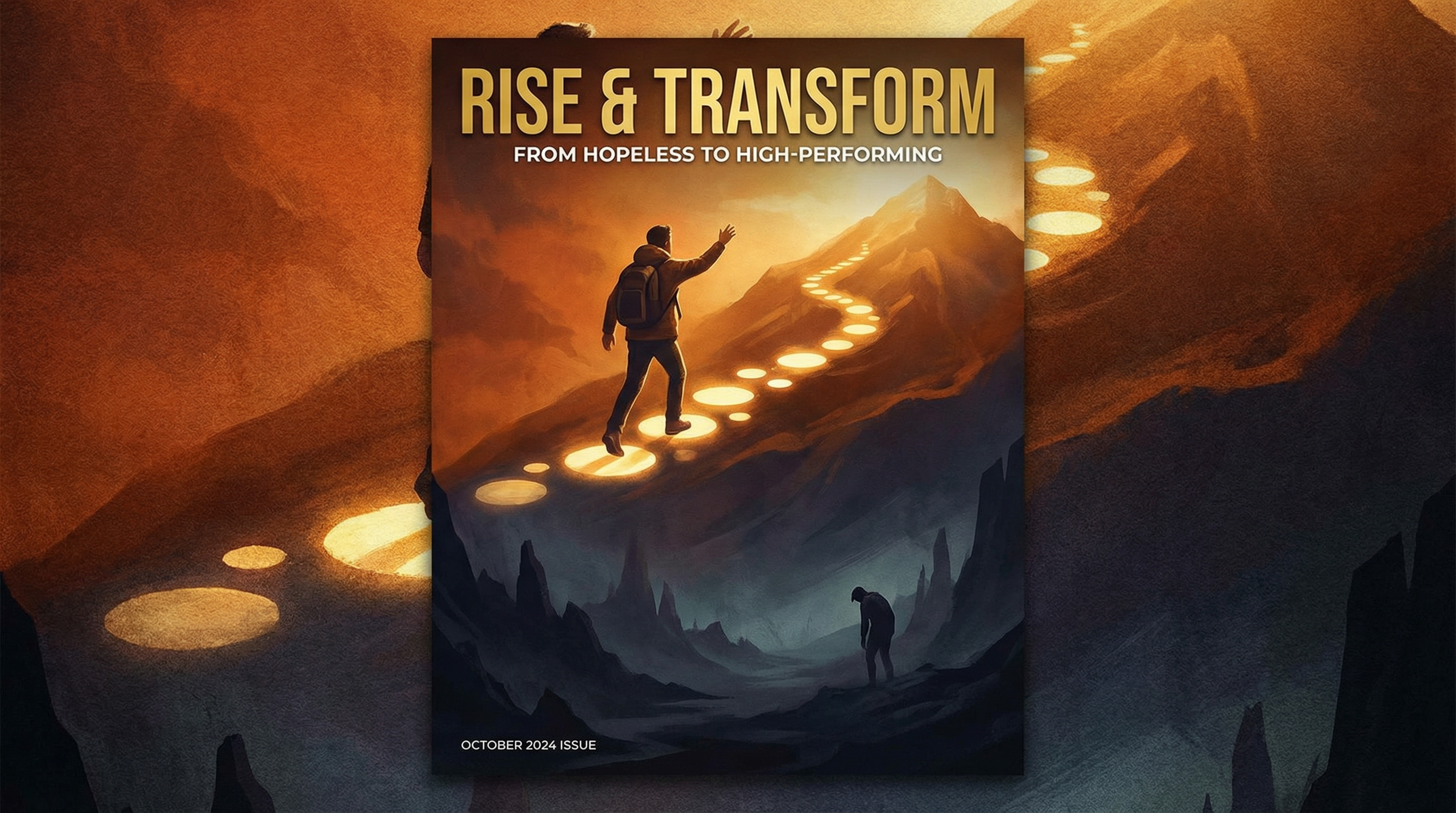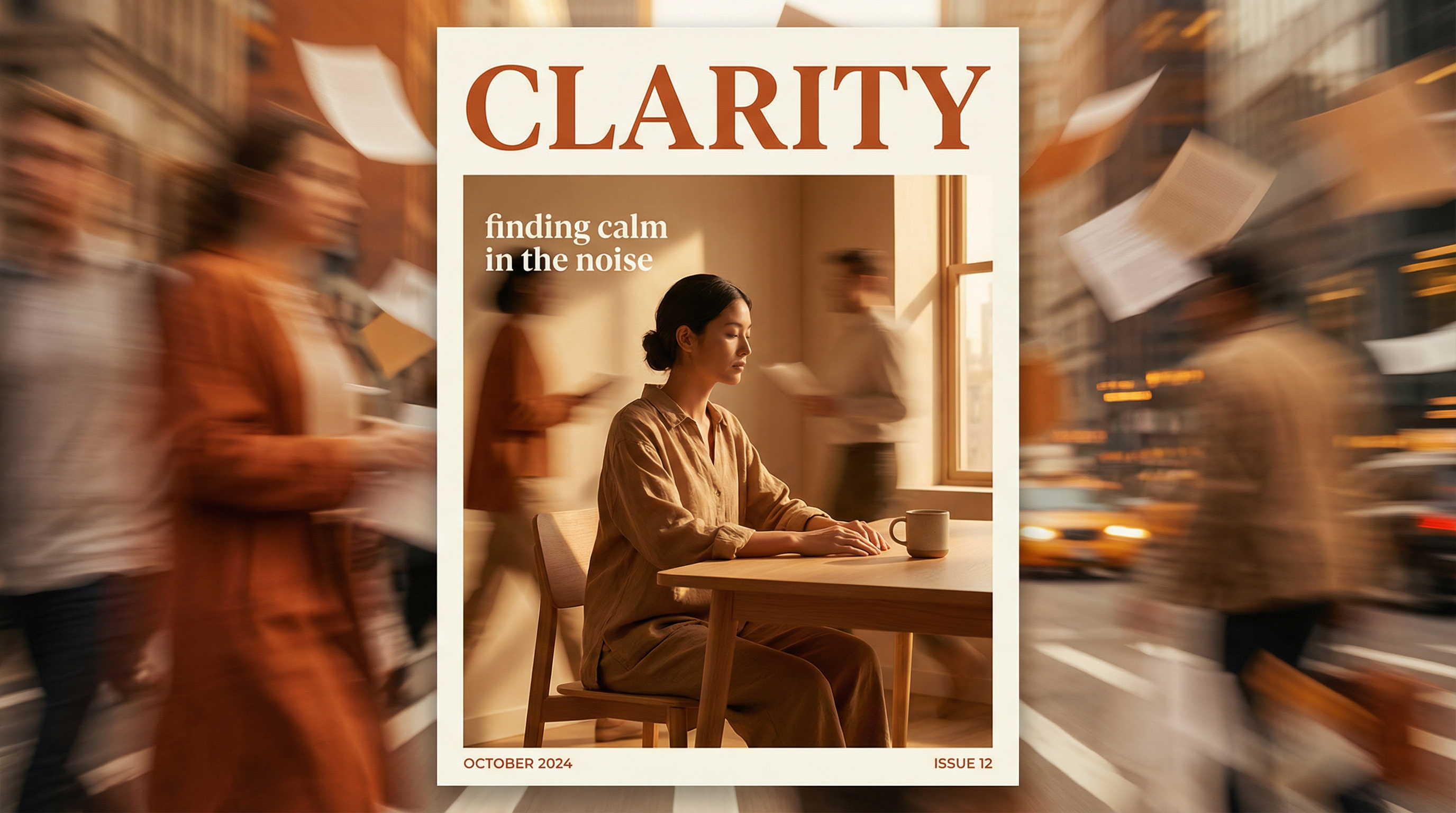
Control the controllable. Focus on what you need to truly focus on.
I posted this during one of the most uncertain periods in recent memory—December 2020, when the world was still reeling from a pandemic that had upended everything we thought we knew.
But the principle applies far beyond that moment. It's a mindset that has guided me through business failures, personal challenges, and the everyday chaos of entrepreneurial life.
The Anxiety of Uncontrollables
Most of our anxiety comes from things we cannot control:
- The economy
- Other people's opinions
- Global events
- The past
- The future
- Other people's actions
- Market conditions
- Algorithm changes
- Competitor moves
We spend enormous mental energy worrying about, planning for, and reacting to things that are fundamentally outside our control. This energy is not just wasted—it's actively harmful. It depletes us, distracts us, and keeps us from focusing on what actually matters.
The Liberation of Acceptance
The first step to controlling the controllable is accepting what you cannot control.
This isn't passive resignation. It's active liberation.
When you truly accept that you cannot control the economy, you stop wasting energy worrying about it and start focusing on making your business resilient regardless of economic conditions.
When you truly accept that you cannot control other people's opinions, you stop performing for approval and start living authentically.
When you truly accept that you cannot control the past, you stop ruminating on mistakes and start learning from them.
Acceptance isn't giving up. It's redirecting your energy to where it can actually make a difference.
What You Can Control
So what can you control? More than you might think:
Your effort: You can't control outcomes, but you can control how hard you work and how consistently you show up.
Your attitude: You can't control what happens to you, but you can control how you respond to it.
Your focus: You can't control the noise around you, but you can control what you pay attention to.
Your habits: You can't control random events, but you can control the daily practices that compound over time.
Your relationships: You can't control how others treat you, but you can control how you treat others and who you spend time with.
Your learning: You can't control the pace of change, but you can control your commitment to continuous growth.
Your integrity: You can't control what others do, but you can control whether you act in alignment with your values.
The Practical Application
Here's how I apply this principle in daily life:
Morning review: Each morning, I identify the 2-3 things that are most important for me to focus on that day. These are always things within my control—actions I can take, not outcomes I hope for.
Worry audit: When I notice anxiety rising, I ask myself: "Is this something I can control?" If yes, I make a plan. If no, I consciously release it.
Energy allocation: I try to spend 80% of my energy on controllables and accept that 20% will inevitably go to uncontrollables. The goal isn't perfection—it's improvement.
The Invitation
If you're feeling overwhelmed, anxious, or scattered, I invite you to try this exercise:
- Write down everything that's stressing you out
- Circle the things you can actually control
- Cross out the things you cannot control
- Make a plan for the circled items
- Consciously release the crossed-out items
Control the controllable. Focus on what you need to truly focus on.
Everything else is noise.